Your browser version is too low, it may lead to sites not normally access!
You can use the site to function properly, use these browsers.
Your browser version is too low, it may lead to sites not normally access!
You can use the site to function properly, use these browsers.

In practical applications, there are many reasons that can cause the motor to burn out. It can be divided into the following categories:
(1) Motor overload caused by various reasons, the current is too large;
(2) Current imbalance caused by voltages that are too low or too high, phase imbalance or phase loss (including phase loss due to contactor failure);
(3) The return air pressure caused by refrigerant leakage or pipeline problem is too low, and the motor is insufficiently cooled;
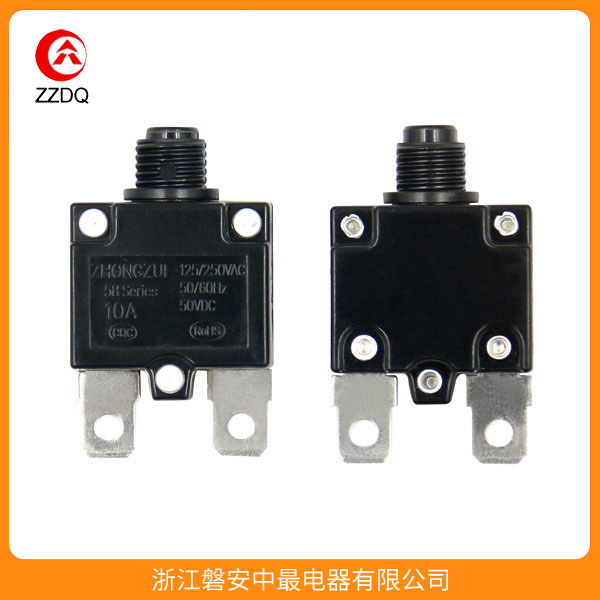
(4) The insulation of the winding is damaged or the water content of the refrigerant is too high, and the short circuit is burned. In theory, the overload protector can effectively cope with the first two conditions, and the thermal protector can cope with the first three cases. The "short circuit" in the fourth case may be related to quality or installation, and may also be related to the high water content of the metal shavings or refrigerant. In actual use, several situations may occur at the same time, and each other is causal. It is impossible to test with a new compressor like a laboratory, and the problem is often simplified. The maximum limitations of the currently used thermal protectors and overload protectors are that they cannot avoid all the above phenomena from the roots. Therefore, the protection of the motor can only stay after the "cooling therapy", that is, temporarily stop, let the compressor Cool naturally and then run again. Thermal protectors and overload protectors do not have a limit on the number of pull-in cycles, and the motor tends to burn out in the "protection-run-re-protect-re-run" cycle. For emergencies, such as damage or short circuit of the winding insulation caused by copper scraps, the motor will burn out at a high temperature in an instant, and the thermalprotector and the overload protector have no time to react and cannot be protected.